
Dust Hazard Analysis (DHA) Services
Protect Your Facility from Combustible Dust Risks
Combustible dust hazards exist in many industries and can lead to devastating fires and explosions if not properly identified and controlled. GTA Environmental provides professional Dust Hazard Analysis (DHA) services to help facilities identify dust explosion hazards, meet regulatory requirements, and implement effective safety controls.
Our DHA assessments follow recognized standards including NFPA 660 – Standard on the Fundamentals of Combustible Dust, as well as industry-specific standards such as NFPA 61, NFPA 484, NFPA 664, and NFPA 654 where applicable.
Whether you operate a manufacturing plant, food processing facility, woodworking operation, recycling facility, or chemical processing site, our experts can help you identify and mitigate combustible dust risks.

Local Exhaust Ventilation Systems
What is a Dust Hazard Analysis?
A Dust Hazard Analysis (DHA) is a systematic evaluation of a facility to determine:
Whether combustible dust hazards are present
Where explosive dust accumulations may occur
Potential ignition sources
How dust explosions could propagate through equipment and processes
What safeguards are needed to reduce risk
The goal of a DHA is to prevent fires and explosions by identifying hazards and implementing effective controls before an incident occurs.
Industries We Serve
Combustible dust hazards occur in many sectors, including:
Food processing (flour, sugar, grain, spices)
Wood processing and woodworking
Agricultural operations and grain handling
Pharmaceutical manufacturing
Chemical processing
Plastics manufacturing
Metal powder operations
Recycling and waste processing
Additive manufacturing (3D printing powders)
If your process produces or handles fine particulate solids, your facility may require a Dust Hazard Analysis.
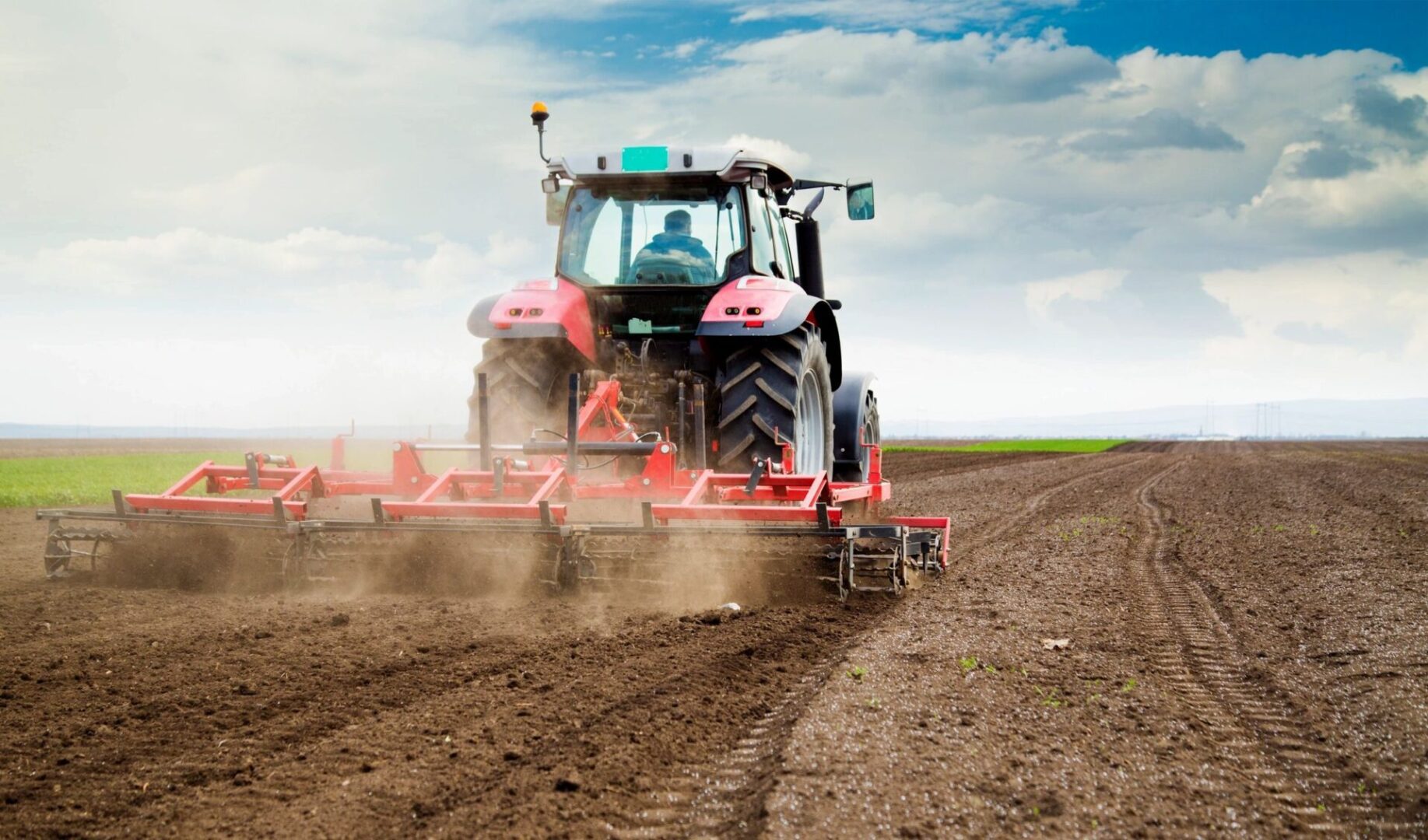
Agriculture
Our Dust Hazard Analysis Process
GTA Environmental follows a structured process to ensure a thorough and practical DHA.
1. Facility and Process Review
We review facility operations, materials handled, dust generation points, and existing safety measures.
2. Combustible Dust Screening
We assess whether dust materials may be combustible and determine whether testing is required.
3. Hazard Identification
We identify potential ignition sources, dust accumulation areas, and explosion propagation pathways.
4. Risk Evaluation
Each hazard is evaluated to determine the likelihood and potential severity of an explosion or fire event.
5. Safeguard Assessment
Existing safety controls are evaluated, including:
Dust collection systems
Explosion venting
Explosion suppression
Isolation systems
Housekeeping programs
Electrical classification
Equipment design
6. Recommendations and Reporting
You receive a comprehensive DHA report that includes:
Identified hazards
Risk evaluation
Engineering and administrative control recommendations
Compliance guidance with NFPA standards
Why Dust Hazard Analysis is Important
A combustible dust explosion can cause catastrophic damage, injuries, and fatalities. A properly conducted DHA helps your organization:
✔ Prevent dust explosions and fires
✔ Protect workers and equipment
✔ Reduce liability and insurance risks
✔ Improve housekeeping and maintenance practices
✔ Demonstrate due diligence for regulatory compliance
Many insurance providers and safety authorities now expect facilities to complete a Dust Hazard Analysis where combustible dust hazards may exist.
Why Choose GTA Environmental?
GTA Environmental provides practical, industry-focused safety consulting designed for real facilities and real operations.
Our DHA services provide:
Clear and practical recommendations
Experienced safety professionals
Knowledge of NFPA combustible dust standards
Cost-effective solutions for small and medium-sized facilities
Support implementing recommended safety improvements
We work closely with facility management and engineering teams to ensure our recommendations are realistic, effective, and compliant.
Request a Dust Hazard Analysis
If your facility handles powders, dusts, or fine particulate materials, a Dust Hazard Analysis may be necessary to identify potential explosion hazards.
GTA Environmental can help you evaluate your facility and implement effective safeguards.
Contact us today to discuss your Dust Hazard Analysis requirements.